Interior vs Exterior Paint
Interior vs exterior paint comparison. Learn the key differences in formulation, durability, and when to use each.
They look the same sitting on the shelf, but interior and exterior paints are totally different animals. Using the wrong one means peeling paint at best and respiratory problems at worst. Don't find out the hard way.
Side by Side
| Feature | Interior Paint | Exterior Paint |
|---|---|---|
| Binders | Rigid — built for washability | Flexible — expands with temperature swings |
| VOC Level | Low — safe to breathe indoors | Higher — durability comes at a cost |
| UV Resistance | None — not needed inside | Built-in UV blockers |
| Mildewcides | Minimal or none | Added to resist mold and mildew |
| Fade Resistance | Not formulated for sun | Engineered to hold color in direct sunlight |
Never Use Exterior Paint Indoors
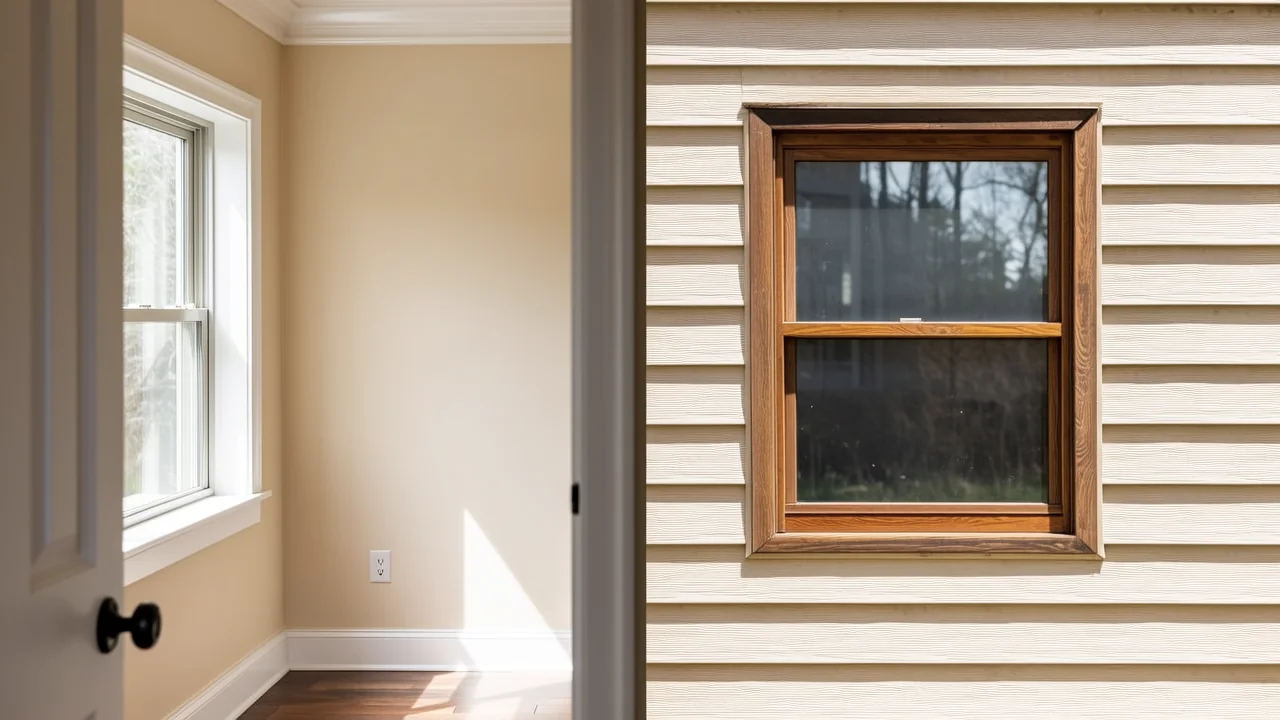
Exterior paints pack higher VOCs and fungicides. Those chemicals off-gas for weeks. In an enclosed room, that means headaches, dizziness, and respiratory issues. The same additives that make exterior paint tough enough for weather are health hazards inside your house. Spend the extra $20 and buy the right product.
Interior Paint Doesn't Survive Outside
Interior paint has no UV blockers and rigid binders. Sun exposure turns it chalky, faded, and cracked within months. Temperature swings make those rigid binders crack and peel. Rain and humidity grow mold because there are no mildewcides in the formula. It's not being cheap — it's guaranteed failure.